
The Federal Reserve just trimmed interest rates by 25 basis points, and while that might feel like Wall Street news, it could have ripple effects all the way to the short-term rental (STR) industry.
A Fed rate cut doesn’t directly change the day-to-day operations of an Airbnb host or property manager, but it tilts the playing field. For STR operators, it means opportunity: to strengthen owner relationships, attract new homeowners, and grow responsibly — all while using data to outpace increased competition.
For short-term rental hosts and property managers, here’s what this shift could mean.
Key Details
The Federal Reserve voted to cut its benchmark interest rate by 25 basis points, bringing the federal funds rate down to a 4.00%–4.25% range.
The move comes amid signs of a softening labor market (slower job growth and rising unemployment risks) even as inflation remains above target. Fed Chair Jerome Powell called it a “risk-management cut,” highlighting the Fed’s effort to balance inflation pressures against a weakening economy.
What This Means:
- Lower borrowing costs: Mortgages, car loans, and business loans may edge down, though banks don’t always adjust right away.
- Pressure on savers: Yields on savings accounts and CDs will likely fall.
- Cooling growth signal: The Fed is signaling it sees the economy slowing enough to justify easing, with analysts expecting the door is open to additional cuts later this year.
- Boost in demand: Lower rates can support consumer spending, freeing up discretionary income for travel and leisure, which could translate into stronger booking activity for short-term rentals.
What A Rate Cut Could Mean for Short-Term Rental Operators
1. Financing and Growth Opportunities
Lower borrowing costs can open the door for expansion. If you’re a host looking to take on new properties or exploring refinancing, reduced rates make capital more affordable.
For managers working with homeowners, this can also encourage owners to invest in upgrades or bring on additional properties, since carrying costs ease slightly.
2. Boost to Travel Demand
Rate cuts are designed to support the broader economy, which often puts more spending money in travelers’ pockets. Families may feel a bit more comfortable booking vacations, and business travel budgets can loosen. A stronger demand environment benefits your occupancy rates and supports healthier pricing power.
3. Owner Relations and Portfolio Strategy
Lower rates can also affect your owners. Rate cuts may make homeowners more willing to invest in their properties, whether it’s adding amenities, refreshing interiors, or even purchasing another home. Positioning yourself as the operator who can maximize returns during a more favorable economic cycle strengthens those partnerships. Tools like Market Trends from Beyond give you access to accurate, free short-term rental data, making it easier to advise owners with confidence and back your strategy with real numbers.
4. Competition and Market Dynamics, supply going up
Easier financing doesn’t just help existing hosts and property managers, it can also bring new entrants into the market. As more inventory comes online, competition can intensify. This is where a disciplined revenue management strategy is critical.
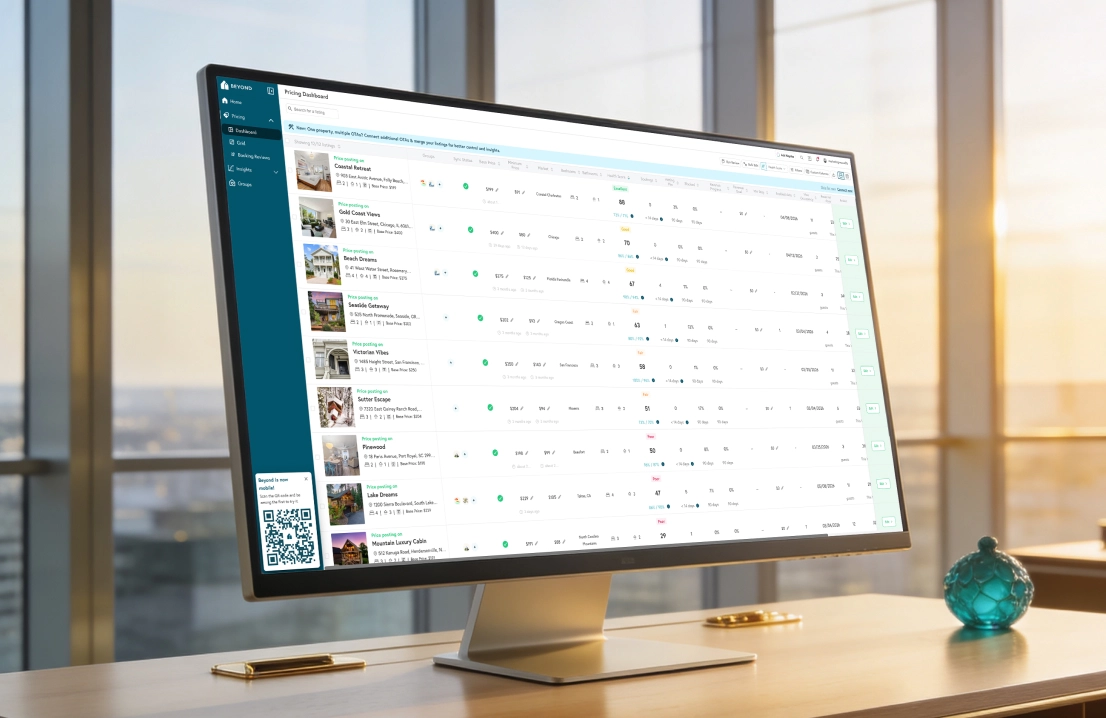
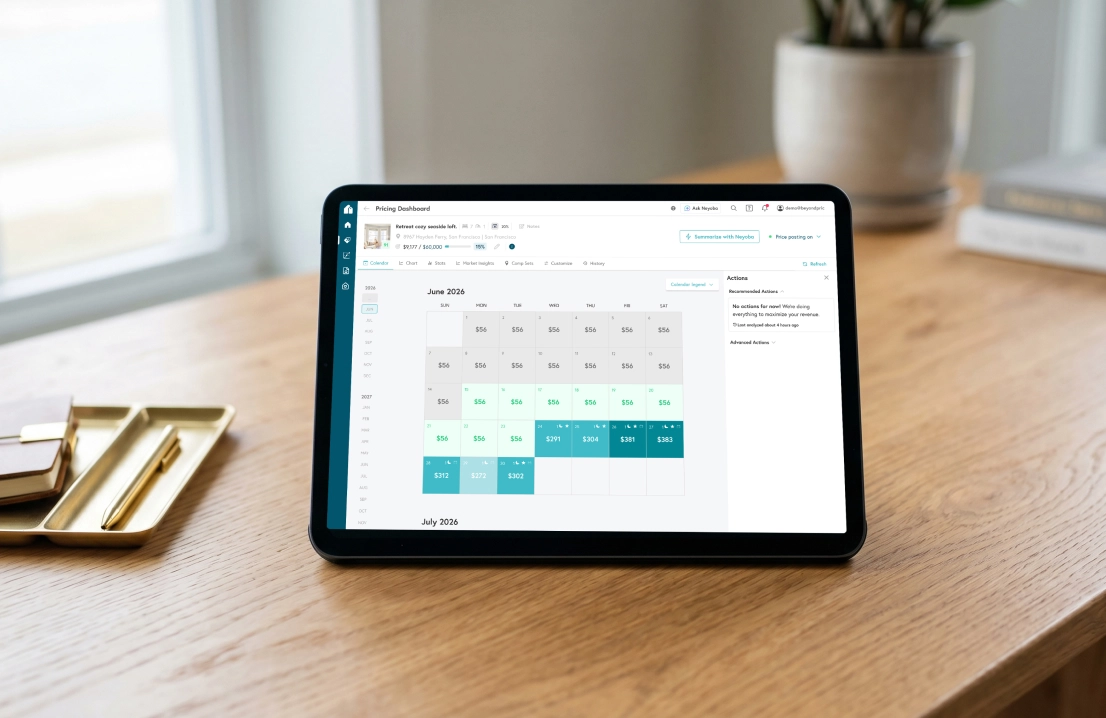
Operators leveraging Beyond’s data and dynamic pricing tools can stay ahead of competitors by adjusting to real-time market shifts.
5. Short-Term vs. Long-Term Outlook
In the near term, the cut may nudge demand higher and ease financing costs. Longer term, if rates continue to trend downward, we could see more aggressive expansion from both professional managers and new investors. The operators who win will be those who use data to navigate supply changes and maintain profitability.
Final Thoughts
The Fed’s decision to lower interest rates could have a modest impact on short-term rental operators — from making it easier for homeowners to invest in their properties to giving travel demand a little extra lift. These shifts may not be dramatic, but they create opportunities for operators who stay agile and proactive.
No matter the economic climate, whether rates are rising, falling, or holding steady, operators who lean on smart revenue management tools will stay ahead of the curve. Beyond’s dynamic pricing platform helps Airbnb hosts, Vrbo hosts, and property managers adapt to shifting market conditions in real time, ensuring you maximize revenue and strengthen your homeowner relationships in any cycle. Try it out today!